Trusted Stainless Steel Flanges Supplier for Quality and Durability
Industrial piping systems depend on reliable materials, accurate specifications, and secure connections to maintain consistent performance. Choosing suitable metal components helps businesses manage demanding operating conditions, support equipment reliability, and plan maintenance more effectively across diverse industrial applications.
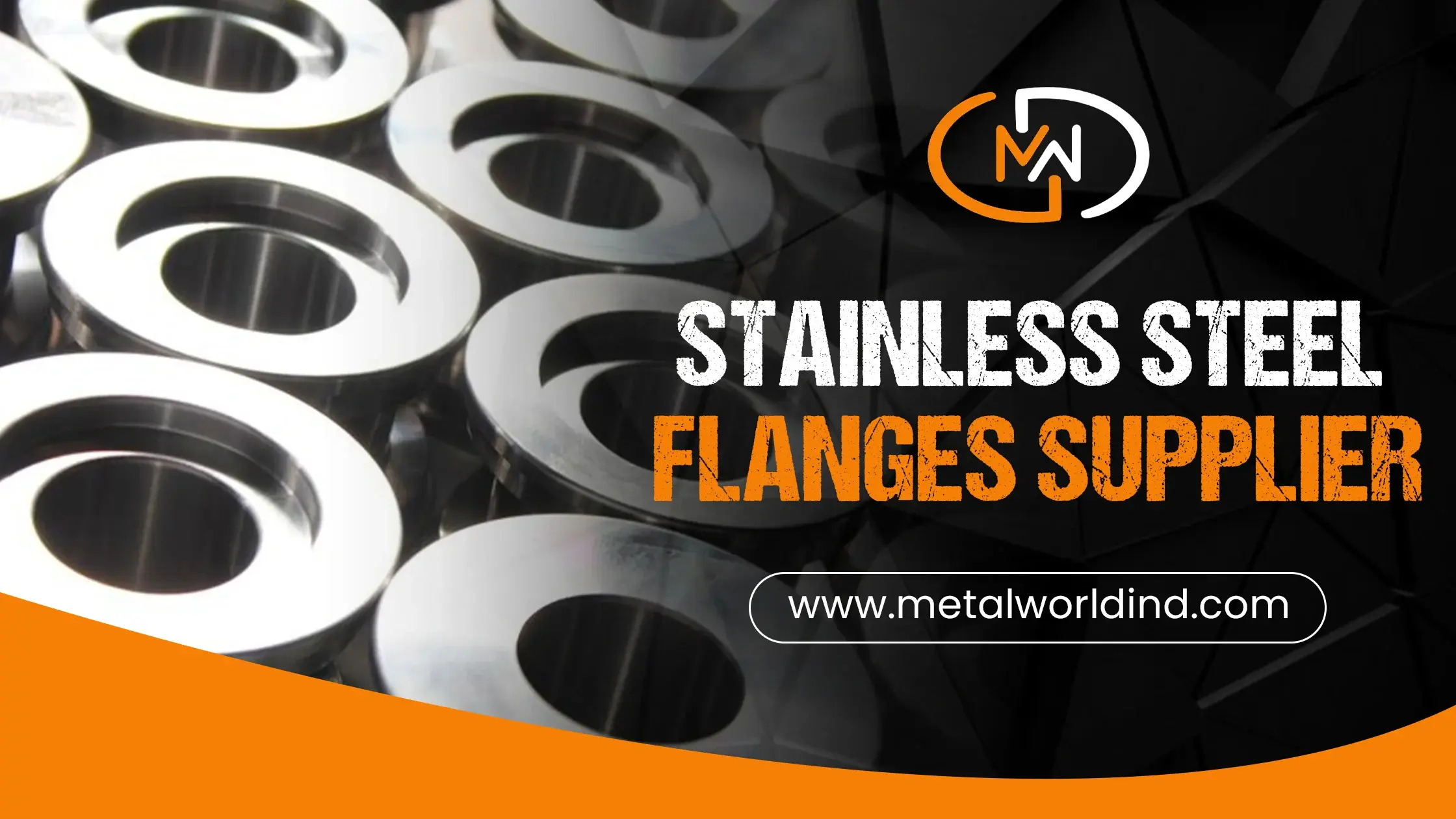
A dependable stainless steel flanges supplier can help buyers identify suitable flange specifications, material grades, dimensions, and documentation for their projects. From fabrication facilities to chemical processing plants, the right sourcing decisions can support dependable connections and long-term operational efficiency.
This guide explores how to select industrial flanges, evaluate material quality, understand specialised alloy supply services, and compare the roles of Monel flange manufacturers and Inconel raw material stockists.
Understanding Flange Selection Beyond Basic Specifications
Flanges are essential components in industrial piping because these flanges create connections between pipes, valves, pumps, and other equipment. They allow systems to be assembled, inspected, maintained, and modified without replacing entire pipeline sections. However, selecting a flange involves more than choosing a suitable diameter.
Buyers should consider the flange type, material grade, pressure class, facing, connection method, temperature range, and applicable engineering standards. Common designs include weld-neck, slip-on, blind, threaded, socket-weld, and lap-joint flanges. Each design serves different installation and operating requirements, so the final choice should reflect the piping system’s engineering specifications.
Stainless steel is widely used in industrial environments because it combines strength with corrosion resistance. Grades such as 304 and 316 are common options, while 316L, 321, and 904L may be considered for particular applications depending on the environment and design requirements. These grades are not interchangeable in every situation; compatibility with the process fluid, temperature, and operating conditions must guide the decision.
A qualified supplier should help buyers confirm that the selected product matches the requested dimensions and technical requirements. Accurate specifications also reduce the risk of ordering incompatible components, preventing avoidable delays during installation and project commissioning.
Matching Material Performance with Operating Conditions
Choosing the right metal is an important step in building a reliable piping system. Corrosion exposure, operating pressure, temperature fluctuations, mechanical loads, and maintenance expectations can all influence material selection. A flange that performs well in one environment may not be suitable for another, even if the dimensions are identical.
Stainless steel often suits general industrial piping, food-processing equipment, water systems, and many fabrication projects. Nevertheless, the specific grade matters. For example, molybdenum-containing grades such as 316 generally provide improved resistance to certain forms of corrosion compared with 304, but performance still depends on the chemical environment and operating conditions.
Some projects require specialised nickel alloys rather than conventional stainless steel. Monel alloys, which are primarily nickel-copper alloys, can be considered for selected marine and chemical environments. Inconel alloys, which are nickel-chromium-based, are used in applications where particular combinations of heat resistance, strength, and corrosion resistance are needed. The appropriate grade must be verified against the project’s specifications rather than selected by alloy name alone.
Working with a knowledgeable Nickel alloy supplier India can help industrial buyers assess available material forms, grade requirements, and supporting documentation. This is particularly useful when a project requires materials for harsh operating conditions or when multiple alloy types must be sourced for different components.
The objective is not simply to purchase a more specialised metal. It is to choose a material that meets the required performance criteria without creating unnecessary costs or compatibility issues.
From Technical Drawings to Dependable Supply Decisions
A smooth procurement process begins with a clear understanding of the project requirements. Before requesting a quotation, buyers should prepare the material grade, flange type, nominal size, pressure rating, facing, quantity, applicable standard, and delivery schedule. Drawings or detailed specifications can clarify requirements that are difficult to communicate through product names alone.
Quality verification should be part of the purchasing process. Buyers can ask about material test certificates, grade identification, dimensional inspection, and other documents required by the project. Depending on the product and specification, relevant checks may cover chemical composition, mechanical properties, dimensions, and compliance with applicable standards. Documentation should correspond to the supplied material and batch.
Supply capability matters as much as technical suitability. Industrial projects can face delays when components are unavailable, specifications are misunderstood, or delivery dates are not aligned with installation schedules. Buyers should confirm stock availability, lead times, order quantities, packaging arrangements, and delivery terms before placing an order.
Comparing Specialised Alloy Supply Roles for Industry
Specialised alloy procurement can involve different types of suppliers. A Monel flange manufacturer focuses on producing or supplying finished flange components made from specified Monel grades, while a stockist of Inconel raw material primarily supplies alloy materials for further fabrication or manufacturing. Some businesses may provide overlapping services, so buyers should confirm the supplier’s actual capabilities.
Monel 400 and Monel K500 are examples of nickel-copper alloys used in selected industrial applications. Inconel grades such as 600, 625, and 718 have different properties and intended uses; they should not be treated as identical materials. The appropriate choice depends on the service environment, design requirements, and relevant material specifications.
| Comparison point | Monel flange manufacturer | Inconel raw material stockist |
| Main role | Produces or supplies finished Monel flange components | Stocks or sources Inconel materials |
| Typical products | Flanges in specified Monel grades and configurations | Available forms may include sheets, plates, bars, rods, pipes, or fittings |
| Core services | Manufacturing, machining, finishing, and dimensional checks, where offered | Inventory management, sourcing, material supply, and sometimes cutting |
| Custom requirements | May manufacture or machine flanges to approved drawings | May supply the requested grade, size, and material form |
| Quality documentation | Product specifications, material certificates, and inspection records as required | Material certificates, grade identification, and traceability documents as required |
| Best suited for | Buyers requiring finished flange components | Buyers needing alloy stock for fabrication or further processing |
When assessing a manufacturer, buyers should confirm the alloy grade, flange dimensions, pressure class, facing, manufacturing standard, inspection requirements, and documentation. If a custom component is needed, approved drawings should clearly define the required dimensions and tolerances.
When choosing an Inconel raw material stockist, the key questions are different. Buyers should verify the precise Inconel grade, material form, dimensions, availability, certification, and whether cutting or other preparation services are offered. The stockist’s role is primarily to provide suitable raw material, not necessarily to manufacture the finished component.
Wrapping Up
Industrial metal procurement works best when technical planning, material verification, and supplier communication support one another. A suitable flange must meet the system’s design requirements, while the chosen material must withstand the intended operating environment. Clear documentation and realistic delivery planning help turn those specifications into a practical purchasing decision.
Before finalising an order, review the material grade, dimensions, applicable standards, inspection requirements, and certificates. Compare suppliers on product suitability, service capability, responsiveness, and delivery commitments rather than relying on price alone. For specialised alloys, confirm that the proposed material matches the required grade and that its intended application is supported by the relevant technical specifications.
Metal World offers a range of industrial metal products, including pipes and tubes, fittings, rods, sheets, flanges, fasteners, and structural products. Its website presents stainless steel and specialised alloy options for different industrial requirements. Buyers can explore the available range and contact Metal World to discuss their product specifications, documentation needs, and supply requirements.