Selecting the appropriate metal is not about choosing a specific material; it is about maintaining reliability, lasting performance and strength for each industrial project.
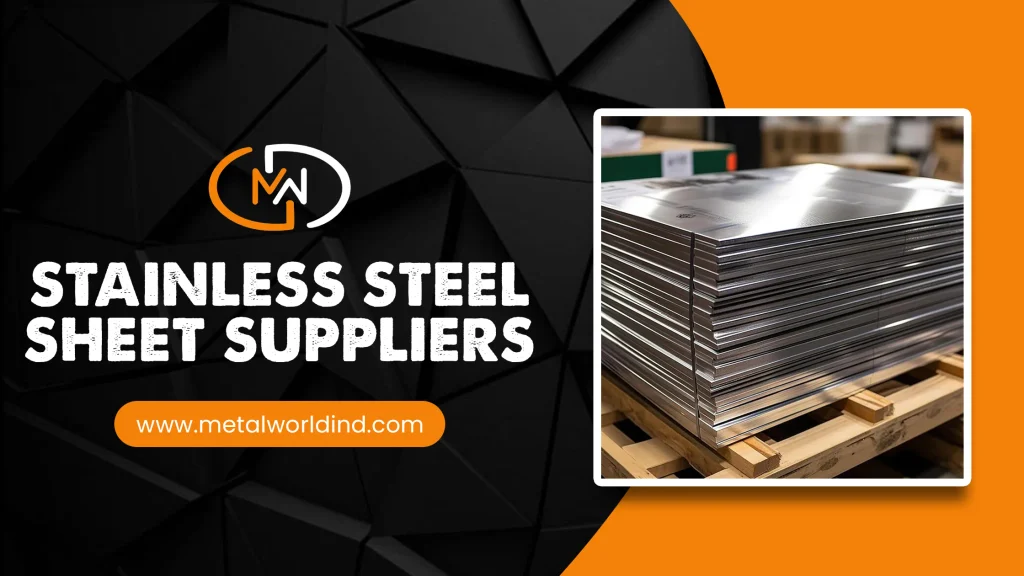
In the changing industrial landscape, stainless steel sheet suppliers are playing a significant role in connecting engineering businesses, manufacturers and fabricators with materials that meet operational requirements. From architectural developments to chemical processing facilities, the right sheet material can impact structural performance, long-term maintenance and product quality.
This blog explores how stainless steel sheets contribute to modern industrial applications, what buyers should consider when sourcing metal products, and how specialised alloys, complementary components, and dependable supply partnerships support successful engineering projects.
Beyond the Surface: Understanding What Metal Sheets Deliver
Metal sheets are the adaptable materials found in industrial manufacturing. Usefulness of the metal sheets extends across transportation, construction, equipment production, infrastructure development and fabrication. Depending on the surface characteristics, thickness and composition, these sheets can be transformed into protective panels, structural components, storage equipment, precision-engineered parts and machinery enclosures.
Stainless steel is valued across every industry for its corrosion resistance, versatility and strength. However, the performance of stainless steel grade is not the same. Grade 304 is chosen for general-purpose applications, whereas 316 is used for every environment requiring greater resistance. 310, 321, 347, and 904L are some other options, serving diverse operating and engineering needs.
Choosing an appropriate material requires understanding of the conditions in which the finished component will operate. Exposure to environmental contaminants, mositure, temperature variations, chemicals and mechanical stress can impact the process of material selection. An informed buying decision considers all these factors before focusing on availability or price.
From Grade Selection to Performance: Making Better Choices
Material selection becomes more meaningful when buyers understand the relationship between alloy composition and application requirements. Stainless steel sheets are available in different grades, each offering particular characteristics that influence fabrication, durability, and operational suitability.
For instance, manufacturers working with food-processing equipment may prioritise hygienic surfaces and corrosion resistance, whereas industrial machinery producers may focus on strength, workability, and fabrication requirements. Similarly, chemical processing environments may demand specialised alloys capable of handling more challenging operating conditions.
This is where a knowledgeable Monel sheet and plate stockist becomes relevant to projects involving demanding environments. Monel alloys, particularly Monel 400, are recognised for their resistance to several corrosive environments and their suitability for certain marine and chemical applications. They offer an alternative to conventional stainless steel when the operating conditions require different material characteristics.
Titanium is another important option for specialised engineering requirements. Its combination of a high strength-to-weight ratio and corrosion resistance makes it useful across chemical processing, marine engineering, aerospace, and other demanding industries. Working with an experienced titanium sheet and plate supplier helps buyers identify appropriate material grades and product forms according to their technical requirements.
The objective is not to select the most specialised alloy available but to identify the material that delivers the required performance without unnecessary procurement costs.
When Different Metals Create Stronger Engineering Possibilities
Modern industrial projects rarely depend on one material alone. Different metals contribute distinct properties, allowing engineers and manufacturers to develop components that meet specific functional requirements. Understanding these differences creates more opportunities for efficient product design and material planning.
Stainless steel remains a widely used option because of its adaptability across numerous applications. Monel offers particular advantages in selected corrosive environments, while titanium provides a useful combination of strength and relatively low weight. Nickel alloys, duplex steel, and super duplex steel also serve specialised industrial requirements.
These materials are available in different product forms, including sheets, plates, coils, strips, circles, and rings. Each form serves a different fabrication purpose. Sheets are useful for components requiring thinner material sections, while plates are commonly selected for heavier-duty fabrication. Coils support manufacturing processes that require continuous material feeding, while strips and circles serve more specialised production requirements.
Another important consideration is the supporting component ecosystem. Industrial assemblies often require compatible fittings, connectors, and joining components alongside their primary sheet materials. For example, selecting a suitable stainless steel flanges supplier becomes important when pipeline systems, pressure equipment, and industrial connections form part of the same procurement requirement.
Considering these materials and components together can simplify purchasing decisions, improve coordination between fabrication stages, and reduce the possibility of selecting incompatible products.
Precision in Procurement: Turning Specifications into Results
A high-quality metal may fail to offer the expected results if the metal does not align with technical specifications of the project. Procurement requires more than recognising the material grade. You should evaluate product form, dimensions, thickness, documentation, and applicable standards.
Thickness is important to consider, as it influences suitability for intended application, fabrication, weight, and characteristics of the material. A lightweight sheet for enclosure may not be suitable for the heavy-duty industrial component. At the same time, selecting an inappropriate grade can impact the expected service life and corrosion performance of the finished product.
Before making any order, team members working in the procurement should establish specifications. Material grade, required surface condition, technical standards, thickness, quantity, dimensions and thickness should be communicated correctly. If needed, you should request test certificates and documentation of the material to verify conformity with the requirements.
It is also important for the suppliers to understand diverse technical requirements. A dependable sourcing partner should clarify product specifications, discuss existing material options and delivery expectations and communicate about the realistic availability.
Planning procurement around actual engineering requirements also helps minimise unnecessary material wastage. Accurate measurements, appropriate product selection, and coordinated delivery schedules can contribute to smoother fabrication workflows and more predictable project execution.
Building a Reliable Supply Chain Around Material Quality
Behind each manufacturing project exists a supply chain which ensures an alignment between production requirements, schedules and materials. Designed engineering components rely on the availability of the raw materials. This makes the supplier selection process a significant part of the industrial planning.
A supplier relationship should be based on transparency. You require clear information regarding available thickness options, material specifications, grades, product forms and dimensions. Communication assists procurement teams to compare appropriate options and avoid confusion during the time of the ordering process.
Diversity in inventories is a significant consideration. Industrial businesses manage different types of projects frequently with material requirements. Access to nickel, stainless steel, duplex steel, alloys, titanium and specialised metals through a specific sourcing can ease procurement coordination. You can easily plan orders by encompassing various product forms.
Delivery arrangements deserve equal attention. Delays in material procurement can affect fabrication schedules, manufacturing commitments, and project completion timelines. Therefore, buyers should consider stock availability, order processing, delivery coordination, and documentation before finalising a sourcing arrangement.
The Bottom Line
Industrial performance begins long before a finished component enters operation. It starts with understanding material properties, selecting appropriate grades, evaluating specifications, and establishing dependable sourcing relationships. Stainless steel sheets, Monel, titanium, nickel alloys, and specialised steel products each offer distinct possibilities for modern engineering and manufacturing applications.
Choosing suitable stainless steel sheet suppliers therefore involves looking beyond product availability. Technical understanding, material variety, specification accuracy, quality assurance, and consistent supply all contribute to better procurement decisions.
Metal World brings together a diverse range of sheets, plates, coils, strips, circles, and rings in stainless steel and specialised metals, including Monel, titanium, nickel alloys, and duplex steel. With stainless steel grades such as 304, 316, 321, 310, 347, and 904L, along with sheet and plate thicknesses starting from 0.5 mm, our product portfolio caters to varied industrial requirements. Explore Metal World’s product range today and take the next step towards sourcing materials that give your engineering projects a stronger foundation.