Industrial manufacturing depends on components that can withstand demanding operating conditions, maintain structural reliability and support efficient production. From connecting pipelines and securing heavy machinery to managing pressure across complex systems, every component has a specific purpose. Selecting suitable materials, product specifications and manufacturing standards is essential for industries where performance, durability and precision directly influence operational efficiency.
A reliable stainless steel flanges supplier plays an important role in helping industries source components that meet different engineering requirements. However, industrial procurement extends beyond flanges to include fasteners, speciality alloy products and other metal components. Understanding the available product categories, material grades, configurations and applications helps businesses make informed purchasing decisions while maintaining consistency across their projects.
This blog explores the product range and industrial supply capabilities associated with Metal World, highlighting how different metal components, material choices and product specifications contribute to diverse manufacturing and engineering requirements.
Exploring Flange Configurations for Connected Systems
Flanges are important components in piping arrangements because they provide connection points between pipes, valves, pumps and other equipment. Their configuration influences installation requirements, connection strength, accessibility and maintenance procedures. Consequently, selecting an appropriate flange involves more than identifying its material or nominal size.
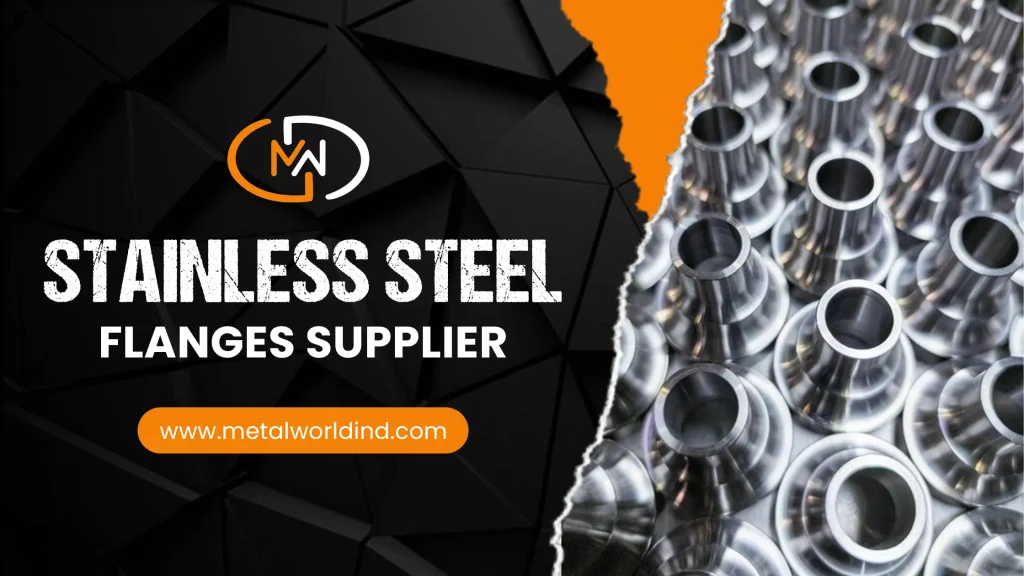
Different flange designs serve different connection requirements. Weld neck flanges are commonly considered for applications requiring a welded connection, while slip-on flanges provide another option for connecting piping components. Blind flanges are used to close pipeline openings, whereas socket weld and lap joint configurations address particular installation arrangements.
Other available configurations include spectacle flanges, ring joint flanges, orifice flanges, long weld neck flanges and deck flanges. Each design has a distinct structural arrangement and must be selected according to the applicable engineering specifications.
Pressure classification is equally important. Industrial flange requirements may involve classes such as 150#, 300#, 400#, 600#, 900#, 1500# and 2500#. These classifications help distinguish pressure-related specifications and should be evaluated alongside material grade, dimensions and applicable standards.
Examining Fasteners Across Multiple Industrial Applications
Fasteners are fundamental mechanical components used to join, secure and assemble different parts of industrial equipment. Although individual fasteners may appear relatively small, their performance can influence the stability, alignment and reliability of larger structures and machinery.
Different applications require different material properties and mechanical specifications. The following categories illustrate the material diversity available across industrial fastener requirements:
- Stainless Steel: Grades include 202, 304, 304L, 304H, 316, 317, 317L, 321, 310, 347 and 904L. These grades offer different combinations of corrosion resistance, strength and temperature suitability.
- Carbon Steel: Available conditions and finishes include bare, galvanised, phosphatised, cadmium-coated, hot-dip galvanised, blued, nickel-plated and chrome-plated options.
- Alloy Steel: Specifications include grades 4.6, 5.6, 6.6, 8.8, 10.9 and 12.9, alongside B7, B7M, 2H and other specified conditions.
- Speciality Materials: Options include Monel, Nickel, Inconel, Hastelloy, duplex and super duplex steel, titanium, copper, Nichrome, brass, bronze, tantalum, aluminium and other metals.
These material choices support different engineering requirements, from general mechanical assembly to specialised environments involving corrosion, temperature variations or demanding mechanical conditions.
An experienced industrial fasteners supplier can help procurement teams evaluate material specifications, dimensions and application requirements before selecting components. The objective is to ensure that each fastener is compatible with the equipment, surrounding materials and intended operating environment.
Matching Speciality Alloys With Demanding Environments
Beyond conventional stainless steel and carbon steel, speciality alloys expand the possibilities for industrial engineering. These materials are developed for applications where ordinary metals may not provide the desired combination of corrosion resistance, mechanical strength, thermal stability or service life.
Monel, for instance, is a nickel-copper alloy valued for its resistance to corrosion in certain challenging environments. Inconel is a nickel-based alloy family recognised for its performance in demanding temperature and oxidation conditions. Hastelloy grades are also considered for specialised applications requiring resistance to aggressive chemical environments.
Duplex and super duplex stainless steels offer combinations of strength and corrosion resistance that make them relevant to selected industrial and processing applications. These materials are relevant to specialised procurement requirements involving a Nickel alloy supplier. Titanium is another important engineering material, particularly where strength, corrosion resistance and weight considerations influence component selection.
Similarly, selecting a suitable Monel flange manufacturer requires attention to alloy grade, pressure classification, dimensional accuracy and the intended operating environment. The important consideration is that alloy selection should follow technical requirements rather than general assumptions about material superiority. Reviewing chemical composition, mechanical properties and applicable standards helps ensure that the selected product meets the demands of its intended application.
Connecting Product Specifications With Project Requirements
Identifying the correct industrial component is only one part of the procurement process. Businesses must also consider dimensions, manufacturing specifications, material certificates, finishing requirements and compatibility with existing systems. These details influence whether a product can be integrated into an installation without unnecessary modifications.
For piping-related projects, procurement requirements may extend beyond flanges to include elbows, reducers, tees and other connecting components. Projects requiring custom butt weld fittings, for example, may involve specific dimensions, wall thicknesses, material grades and connection requirements. Such specifications should be established before procurement to maintain consistency across the piping arrangement.
Businesses looking for stainless steel sheet suppliers generally evaluate sheet thickness, grade, surface finish, dimensions and intended fabrication requirements. These considerations are particularly important when sheets are used for equipment fabrication, structural applications or industrial enclosures.
A systematic procurement approach can make these decisions more manageable. It involves reviewing technical drawings, identifying material specifications, checking applicable standards and confirming product dimensions before placing an order.
The same approach applies when sourcing fasteners and flanges. Pressure ratings, alloy composition, connection types and finishing requirements should be assessed together instead of treating them as separate purchasing details.
For industrial buyers, clear communication of technical requirements helps minimise specification mismatches and supports better coordination between suppliers, engineers and procurement teams. It also creates a more structured foundation for evaluating product suitability across different stages of a project.
Exploring a Diverse Industrial Product Portfolio
Metal World offers an industrial product range centred on fasteners and metal components manufactured or supplied in different material categories. Its listed fastener materials include stainless steel, carbon steel, alloy steel and speciality metals, giving buyers several options for evaluating products according to their engineering requirements.
Our stainless steel range includes grades such as 202, 304, 304L, 304H, 316, 317, 317L, 321, 310, 347 and 904L. Our speciality material selection includes Monel, Nickel, Inconel, Hastelloy, duplex and super duplex steel, titanium, copper, brass, bronze and other metals.
We identify multiple flange configurations, including weld neck, slip-on, blind, socket weld, lap joint, spectacle, ring joint, orifice, long weld neck and deck flanges. Available pressure classifications range from 150# to 2500#, providing different specification categories for industrial requirements.
For businesses comparing a fastener supplier or evaluating options from a steel flange supplier, product specifications are an important starting point. Metal World’s listed range provides a foundation for identifying suitable material categories, fastener grades and flange configurations. Buyers should confirm individual product availability, dimensions, applicable standards and technical documentation before finalising their requirements.
Final Notes
Industrial procurement involves more than purchasing individual metal components. It requires understanding material properties, product configurations, pressure classifications and application-specific specifications. From stainless steel flanges and industrial fasteners to carbon steel components and speciality alloy products, each category addresses different engineering and manufacturing requirements. Evaluating these factors helps businesses make informed sourcing decisions and maintain dependable industrial operations.
Whether you require stainless steel components, speciality alloy fasteners or specific flange configurations, explore the product range offered by Metal World. Connect with Metal World to discuss your industrial product requirements and identify suitable solutions for your projects.